

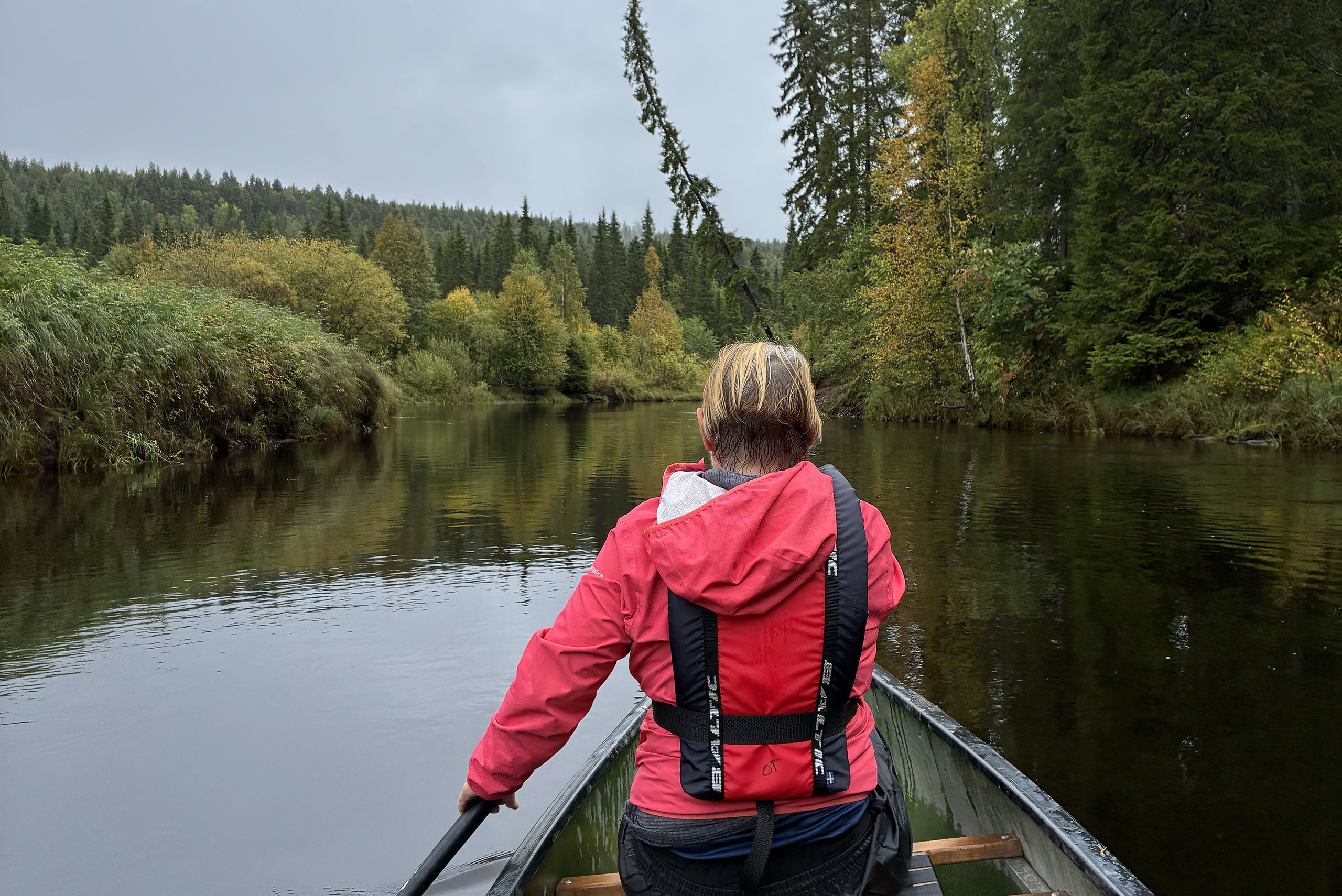
This essay is based on the keynote by Outi Järvinen at a discussion event Reittejä eteenpäin – vapaan tanssin kentän mahdollisuudet organised by Tanssin Voima festival at Hietsun Paviljonki, Helsinki 17.8.2026. This is a written translation of the notes. The content has been edited and stylized after the event.
Paths Forward
Outi Järvinen
CEO,
Arts Management Helsinki
(written 24.8.2026)
The Finnish dance community has grown exponentially over recent decades. We have written strategies, formed committees, advocated for funding, and celebrated real progress. Yet, no matter how far we have come, there remains a persistent, unsettling sense that we are moving backward, as if the finish line keeps retreating just as we near it. In our efforts to professionalize, we have established dance companies and organizations, strengthened production skills, launched marketing initiatives, crafted strategic plans, and borrowed practices from other sectors. We have hired administrators, communicators, and coordinators to support our work. And still, the same question lingers: when will the good times finally arrive? How much longer must we endure, persist, and wait?
Or perhaps the past was never as good as we remember. Maybe our expectations and ambitions have simply outgrown the reality we once accepted. Why does it feel as though we are forever struggling through the same swamp, never quite reaching solid ground?
I consider myself fortunate to work at Arts Management Helsinki, where I collaborate with forty independent artists, collectives, and working groups. Every day, I engage with creators of diverse aesthetics and approaches, sharing my knowledge while learning from their experiences. My work feels meaningful, and I take pride in it. Increasingly, I have met desperate questions:: What can I do in this situation? Is there a way forward? Tell me—what should I do? Is the only option to give up? Are all the doors closed? I no longer have answers. It feels as though something essential has broken—broken in a way we have not seen before.
A Field Under Strain
For decades, the support and funding systems for dance in Finland have been built on the belief that art and culture hold intrinsic value, contributing to the civilization and well-being of society. While cultural policy has occasionally emphasized other benefits—such as the economic or social impacts of the arts—these systems have fundamentally relied on the ideals of the Finnish welfare state.
But what remains of that foundation today? The welfare state has slowly dissolved into a vague and uncertain “well-being society,” where cultural and civilizational values no longer seem to matter. Social policy has taken a punitive turn, particularly toward those most vulnerable. Recent cuts to unemployment benefits have hit freelance artists especially hard, as the earnings-related safety nets that once made their livelihoods possible have been systematically dismantled. Every new reform seems to punish the arts community further, as if we are being singled out for austerity. The performing arts never truly recovered from the pandemic, and since then, the situation has only grown more difficult. Foundation funding has become increasingly important, yet so has the competition for it.
It is hard not to feel disheartened.
Reimagining Success
This spring, I encountered an interesting study: Goal Setting for Thriving and Sustainable Success in the Performing Arts: Taking Inspiration from Nature (Lubert & Peters, Frontiers in Psychology 1.4.2026). The researchers, based in Switzerland and Germany, explored how artists set and pursue goals, drawing inspiration from natural ecosystems. While goal-setting has been widely studied in sports and business, the performing arts have received far less attention. By combining existing research with their own interviews, the authors shed light on what success and sustainability might look like for artists.
The study reveals that goals are not just about achievement—they are about focus, self-confidence, and the ability to enter a state of flow. The most meaningful goals are those tied to personal joy and passion, as they yield better results and improve overall well-being. Success, the researchers found, is not measured solely by audience numbers or ticket sales. For artists, it is defined by authenticity, connection with audiences, a healthy relationship with their craft, and balance in life. Nature offers a compelling metaphor: success might be less about individual fame and more about community and collaboration, much like the interconnected relationships that sustain ecosystems.
Traditional frameworks like SMART goals—Specific, Measurable, Achievable, Relevant, and Time-bound—are widely used, but their effectiveness in the performing arts remains unproven. Instead, the study suggests that open and flexible goals may be more suitable for creative work. The authors introduce the concept of AWAP goals (As Well As Possible), which encourage artists to do their best under whatever circumstances they face. Similarly, open-ended goals, such as “Let’s see how well I do today,” can reduce pressure and help artists achieve a state of flow. Long-term goals might include building deeper connections with audiences, finding joy in the creative process, and maintaining a sustainable relationship with one’s work.
While the study was based on a small sample of just ten artists, its insights resonate deeply. It reminds us that the performing arts require a different approach—one that values adaptability, intuition, and the organic process of creation.
Nature as a Guide
If we look beyond the study, nature itself offers profound lessons for how the independent arts sector might navigate the current challenges. Ecosystems thrive through diversity and adaptability. In nature, biodiversity creates stability, allowing ecosystems to withstand shocks and disruptions. For the arts, this means recognizing the value of a diverse landscape—one that includes small collectives, independent artists, and large institutions. Each plays a vital role in the health of the whole.
Ecosystems also demonstrate an extraordinary capacity for adaptation. Plants adjust their photosynthesis based on available light, while animals and plants cycle through periods of activity and rest. For artists, this could translate into experimentation, pacing work to avoid burnout, and cultivating resilience in the face of change. Nature does not resist uncertainty; it embraces it as part of life’s rhythm.
Collaboration, too, is a hallmark of natural systems. Mycorrhizal networks, where fungi and trees share resources, offer a powerful metaphor for how artists and organizations might support one another. Beehives, coral reefs, and bird flocks all demonstrate how collective effort and shared purpose can lead to greater strength. These models suggest that the arts might benefit from a similar spirit of cooperation—one where resources, knowledge, and opportunities are shared rather than hoarded.
In nature, there is no such thing as waste. Everything circulates, repurposed and reused in an endless cycle. The arts could adopt this mindset by sharing materials, recycling resources, and passing on tacit knowledge from one generation to the next. Co-use models and shared spaces could reduce the financial and environmental burdens on individual artists, fostering a more sustainable and interconnected community.
Growth in nature is rarely linear. It happens in pulses, cycles, and bursts of adaptation. The arts, too, might benefit from embracing a long-term perspective, where progress is measured not in straight lines but in the accumulation of small, meaningful steps. Failure, in this view, is not the end but a necessary part of the process. Just as many seeds do not germinate, yet those that do grow stronger, artists can learn to see setbacks not as defeats but as opportunities for growth.
Local ecosystems are also interconnected with the global. Pollen travels on the wind, birds migrate across continents, and whales journey across oceans. For the arts, this highlights the importance of both local and global networking. Peer learning, mentorship, and international collaboration can enrich the creative process, offering new perspectives and opportunities.
Finally, nature teaches us that crises can be opportunities for renewal. Forest fires, floods, and other disruptions often clear the way for new growth, allowing ecosystems to regenerate and thrive in unexpected ways. Perhaps the current challenges facing the arts are not just obstacles but a catalyst for transformation. Ecological research shows that short-term recovery depends on how disruptions affect an ecosystem. If they primarily impact abundant species—large, established organizations—recovery can be swift. But if they target rare species—the small collectives, independent artists, and emerging groups—the long-term sustainability of the entire ecosystem is at risk. The survival of the independent sector, with all its diversity and innovation, is not just important; it is essential to the future of the arts as a whole.
A Collective Path Forward
How to find a path forward and build a more sustainable future? The path forward may not be clear, but one thing is certain: we cannot do it alone. The most powerful step we can take is to act together—sharing ideas, creating spaces for connection, and supporting one another. In a world that often feels increasingly individualistic and fragmented, the arts have the power to remind us of our shared humanity. By working in solidarity, we can turn this moment of crisis into an opportunity for renewal.
The answers may not come easily, and the road ahead may be uncertain. But if we draw inspiration from nature, from one another, and from the very essence of creativity itself, we can find a way forward. The arts have always been a source of resilience, innovation, and hope. Now, more than ever, we must harness that spirit to build a future that sustains us all.
Thank you.
Keynote language was Finnish. Original version can be found on YouTube: https://www.youtube.com/watch?v=VNAfBVFtztk